Speaking

The human side of technology,
on stage.

I speak about what happens after the system goes live, when the people are expected to make it work.

Twenty years of digital transformation gave me a lot of stories and a small number of lessons. Five became a book. They also opened up a much bigger conversation about technology, judgement and the people expected to make change work.

Develhub Jaarcongres, CORPUS Oegstgeest Keynote on digital adoption

01 / 03
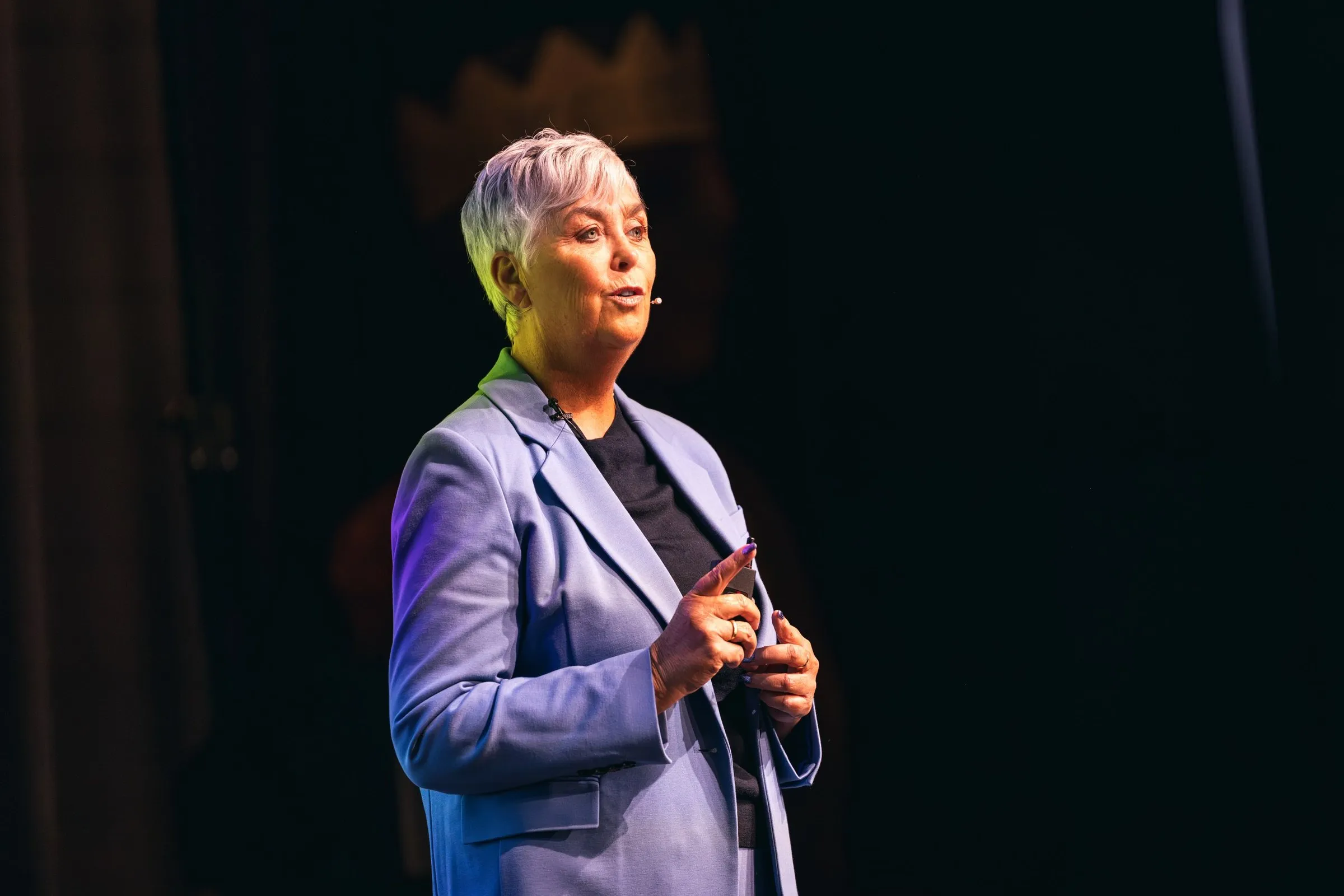
Arlette Vonk speaking on a darkened stage, clicker in hand, mid sentence

What I keep coming back to

Most technology works.
Most people are reasonable.
The trouble lives in the space between the two.

Projects are planned up to go-live. What happens after go-live is where behaviour either changes or does not, and that part is rarely anyone's job.

That is the subject. The form it takes depends on the room.


What I bring into the room

Signature keynote

The 5 Unwritten Rules for Digital Adoption

Five stories from twenty years of rollouts, and the five rules I took out of them. What happens when technology meets the people expected to use it, and what the people running the project can actually do about it.

Rooms
Transformation kickoffs, change and adoption forums, HR and learning congresses, leadership events.
Formats
Keynote at 30, 35 or 45 minutes. English or Dutch. Rooms of fifty up to halls of fifteen hundred.

Professional judgement

Finding your professional compass

Most of the situations that matter at work have no obvious right answer. This is about building judgement while you are still gaining the experience: what you notice, what you question, what options you can see, and what you decide to do. I do not hand people the answer. I help them build the judgement to find their own.

Rooms
Young professional networks, graduate and talent programmes, leadership development.
Formats
Talk, working session, or a slot inside a longer programme.

The wider conversation

The human side of adoption

Why good technology still fails to land. What AI changes and what it does not. Where responsibility sits when a rollout does not work, and who gets to shape technological change in the first place.

Rooms
Summits, leadership forums, shows and roundtables.
Formats
Panel, fireside, podcast, moderated conversation.

The five rules are written down in The Vonk Playbook. The keynote is what they sound like out loud.

In the room

Thirty four seconds of the Develhub Jaarcongres, June 2026.

A day about culture, at CORPUS in Oegstgeest. The talk was in Dutch. The subtitles are in English.

"Informal learning happens so often in practice. Arlette took us through her years of hands-on experience, and what we can learn from it."

"Informeel leren, dat gebeurt heel vaak in de praktijk. Arlette nam ons mee in haar jarenlange praktijkervaringen en wat wij daarvan kunnen leren."

Develhub, on the Jaarcongres keynote

"With warmth, humor, and a powerful message about women in IT and leadership, she touched the entire room. She inspires, motivates, and gives women the confidence to take the next step. A speaker you don't easily forget."

"Met warmte, humor en een krachtige boodschap over vrouwen in IT en leiderschap wist ze de hele zaal te raken. Ze inspireert, motiveert en geeft vrouwen het zelfvertrouwen om de volgende stap te zetten, een spreker die je niet snel vergeet."

Qualogy, on the EmpowHer keynote, April 2026

Some of the best rooms have no stage.

Some conversations need a stage. Others need a smaller room. After the Develhub keynote I sat down with Claire Kros for HR Bites on Tour, in Dutch, to talk about what makes digital adoption land with people. A podcast, fireside or roundtable creates a different kind of conversation: closer, more responsive, and with more room to explore.

Bring me into the conversation.

Tell me about the room, the audience, and the conversation you want to create.

Then we can see what I might bring to it. A keynote, a panel, a leadership programme or a podcast are all different shapes for the same work.